
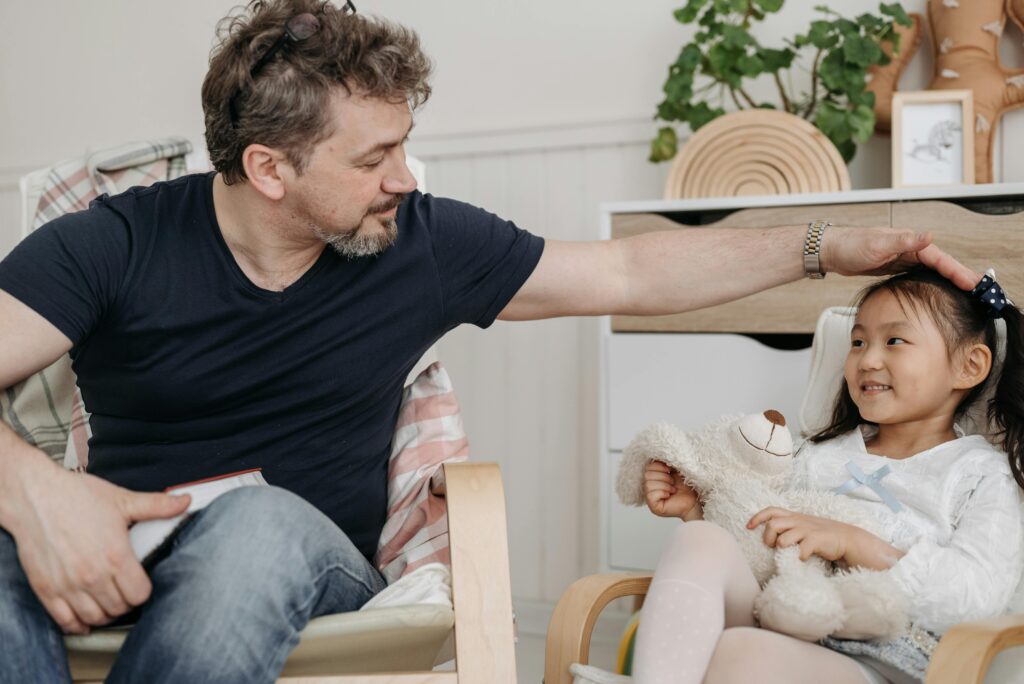
Something has shifted for children and families in recent years, and most parents can feel it even if they cannot quite name it.
Children’s mental health is no longer a quiet concern reserved for clinical conversations. It is a growing reality inside homes, schools, and pediatrician’s offices across the country. More children are experiencing anxiety, depression, and other mental health conditions earlier in life. More families are asking questions they never expected to ask. And the data confirms what many parents are already sensing.
Understanding children’s mental health is no longer optional. It is one of the most important things a parent can do in 2026.
The State of Children’s Mental Health in 2026

The numbers are clear, and they are hard to ignore. According to the Centers for Disease Control and Prevention, 1 in 5 children in the United States experiences a mental health condition, including anxiety disorders, depression, and behavior disorders. Nearly 40 percent of high school students report persistent feelings of sadness or hopelessness.
The World Health Organization identifies mental health conditions as among the leading causes of disability in children and adolescents globally. And according to the National Institute of Mental Health, only about half of children with diagnosable mental health conditions receive any treatment at all.
These are not fringe cases. Children’s mental health challenges are common, they are increasing, and many of them are going unaddressed. Despite growing awareness, access to consistent mental health care has not kept pace with demand. Families across Utah and the broader country are navigating long wait times, limited providers, and the ongoing challenge of knowing when a child’s struggles cross the line from “normal” into something that warrants professional support.
Why Are So Many Children Struggling?
Understanding what is driving the rise in children’s mental health challenges is the first step toward responding to them effectively.
Increased Emotional Pressure
Today’s children are navigating a world their parents did not grow up in. Academic pressure begins earlier. Social comparison happens in real time through screens. The boundary between school, home, and social life has largely dissolved.
The American Academy of Pediatrics has recognized social media as a significant contributor to anxiety and depression in adolescents, noting that excessive digital exposure is linked to poor sleep, lowered self-esteem, and increased emotional dysregulation in young people.
Increased stress and overstimulation across childhood and adolescence may be one of the primary drivers behind rising rates of anxiety disorders, mood disorders, and depression in children.
Adverse Childhood Experiences
Research is clear that adverse childhood experiences carry long-term consequences for mental health. Exposure to instability, trauma, loss, or chronic stress during early childhood can increase a child’s risk of developing post traumatic stress disorder, anxiety disorders, generalized anxiety disorder, and mood disorders later in life. These are not inevitable outcomes, but they are meaningful risk factors that families and providers need to take seriously. Early support following adverse experiences is one of the most protective interventions available.
Awareness Has Grown but Systems Have Not Kept Up
One genuinely positive shift is that more parents are noticing mental health challenges in their children sooner. The stigma around children’s mental health has decreased significantly over the past decade.
The challenge is that increased awareness has not been matched by increased access. Families who recognize that their child needs support often encounter a system that cannot respond quickly enough. This gap between recognition and care is one of the most urgent problems in behavioral health today.
What Children’s Mental Health Conditions Actually Look Like

Mental health in children does not always present the way it does in adults, and this is one of the most common reasons parents miss the signs.
Children rarely say “I feel depressed” or “I think I have anxiety.” Instead, their mental health symptoms show up in behavior, in the body, and in patterns that can look like something else entirely.
Common signs of mental health challenges in children include:
- Sudden or gradual changes in a child’s behavior or personality
- Emotional outbursts that seem disproportionate to the situation
- Withdrawal from friends, family, or activities they previously enjoyed
- Difficulty concentrating or a noticeable drop in school performance
- Physical complaints like stomachaches or headaches with no clear medical cause
- Persistent sadness, irritability, or a “flat” emotional quality
- Trouble sleeping or significant changes in appetite
- Excessive worry or fear that interferes with daily life
- Regression to younger behaviors in early childhood
These can be early signs of depression, anxiety disorders, behavior disorders, or other childhood mental disorders. They can also reflect temporary stress or developmental transitions. The key distinction is duration, intensity, and the degree to which symptoms interfere with a child’s daily functioning and wellbeing.
Common Children’s Mental Health Conditions
Several mental health conditions are particularly common among children and adolescents. Knowing what they are helps parents identify when something more than a difficult phase may be at play.
Anxiety disorders are the most prevalent mental health conditions among children. These include generalized anxiety disorder, separation anxiety disorder, social anxiety, and specific phobias. Children with anxiety disorders may appear overly worried, avoid certain situations, or experience physical symptoms like a racing heart or nausea.
Depression in children often looks less like sadness and more like irritability, withdrawal, or disengagement. When a child or adolescent seems persistently flat, hopeless, or no longer interested in things they once loved, depression may be a factor worth exploring.
Attention-deficit/hyperactivity disorder (ADHD) is one of the most commonly diagnosed childhood mental disorders and frequently co-occurs with anxiety and mood disorders.
Behavior disorders, including oppositional defiant disorder, involve patterns of defiance, aggression, or rule-breaking that go beyond typical childhood behavior and cause significant disruption at home or school.
Post traumatic stress disorder can develop in children who have experienced or witnessed traumatic events and may show up as nightmares, hypervigilance, avoidance, or emotional numbing.
Mood disorders, including early-onset bipolar disorder, also affect children and adolescents and require professional evaluation and care.
The Child Mind Institute is a valuable resource for families looking to better understand specific conditions and what they look like across different ages.
The Hidden Cost of Untreated Children’s Mental Health
When children’s mental health challenges go unaddressed, they do not simply go away.
Without mental health care, symptoms tend to worsen over time. Mild anxiety in childhood can become a more entrenched anxiety disorder in adolescence. Depression that goes untreated can affect academic performance, friendships, and a young person’s developing sense of self. Behavior disorders left without support often become more difficult to address as children get older.
The World Health Organization identifies mental illness as one of the leading causes of disability among young people globally, a reality that speaks directly to what happens when mental health challenges are dismissed or delayed.
Childhood is not a waiting room. The experiences and patterns children develop during these years shape the adults they become. Early support is not just helpful. It is one of the most protective investments a family can make in a child’s long-term wellbeing.
Why Early Intervention Changes Everything
The case for early mental health care in children is well established. According to the National Institute of Mental Health, children who receive early intervention for mental health challenges are more likely to develop healthy coping strategies, build emotional resilience, improve their relationships, and experience better outcomes across adolescence and adulthood.
Early intervention works because the brain is still developing during childhood. This plasticity means that therapeutic support, skill building, and behavioral health interventions can create lasting change in ways that become more difficult the longer a condition goes unaddressed.
Evidence-based approaches like cognitive behavioral therapy are among the most effective treatments for childhood anxiety disorders and depression. Trauma-focused cognitive behavioral therapy is specifically designed to help children who have experienced adverse events process what happened and build meaningful recovery.
Accessing professional mental health care early is one of the most powerful decisions a parent can make.
What Parents Can Do Right Now

Parents are not powerless in this. In fact, the relationship between a parent and child is one of the most protective factors available when it comes to children’s mental health.
Create emotional safety at home. Children need to know they can express difficult emotions without judgment or dismissal. Saying “that sounds really hard” before jumping to solutions matters more than parents often realize.
Normalize conversations about mental health. When parents talk openly about emotions, anxiety, and stress as normal human experiences, children learn that these feelings are not shameful or dangerous.
Watch for changes in your child’s behavior. You know your child. Trust that instinct. A pattern of withdrawal, emotional dysregulation, or behavioral shifts that last more than a few weeks is worth paying attention to.
Teach coping strategies. Simple, age-appropriate tools like deep breathing, naming emotions, or taking a break when overwhelmed can give children a foundation for managing stress and anxiety throughout their lives.
Start with your child’s pediatrician. A child’s pediatrician is often the first point of contact for mental health concerns and can provide a referral or initial guidance on next steps.
Seek professional support when needed. If concerns persist or are affecting your child’s daily life, connecting with a licensed mental health professional is a meaningful and appropriate step. You do not have to wait for a crisis to reach out.
When to Seek Professional Help for Your Child
Many parents wonder whether their concerns are serious enough to warrant professional support. The answer is almost always: if you are asking the question, it is worth exploring.
Consider reaching out to a mental health professional if your child is experiencing:
- Persistent anxiety or worry that does not respond to reassurance
- Ongoing sadness, hopelessness, or emotional withdrawal
- Difficulty functioning at school or maintaining friendships
- Behavioral changes that are severe, frequent, or worsening
- Physical symptoms with no clear medical explanation
- Any expression of hopelessness or self-harm
These may signal a developing mental health condition or disorder that would benefit from professional evaluation and care.
At Aspen Counseling Services, our therapists work with children, adolescents, and families navigating anxiety, depression, behavior challenges, and more. We provide compassionate, evidence-based mental health care designed to meet children where they are. Explore our services, find a location near you, or contact us to take the first step.
If you are looking for a depression and anxiety therapist near you, exploring mental health resources in Utah, or searching for therapists in Utah County who specialize in children and adolescents, we are here to help.
You Are Not Alone in This
Worrying about your child’s mental health is one of the most common and least-talked-about experiences of modern parenting.
You may wonder if you are overreacting, or if you missed something, or if what your child is going through is just a phase. These questions are normal. They are also a sign that you are paying attention, which is exactly what your child needs.
Supporting a child’s mental health is not about being a perfect parent. It is about being present, informed, and willing to seek support when the situation calls for it.
To learn more about the team at Aspen Counseling Services and our approach to children’s and family mental health, visit our About Us page.
If your child is struggling with anxiety, depression, or emotional changes, reaching out for professional mental health care can be an important first step.
Frequently Asked Questions
What are the most common children’s mental health conditions? The most common include anxiety disorders (such as generalized anxiety disorder and separation anxiety disorder), depression, ADHD, behavior disorders such as oppositional defiant disorder, and post traumatic stress disorder. These conditions vary in severity and presentation but are all treatable, especially when identified early.
How do I know if my child needs therapy? If your child’s emotions or behaviors are affecting their daily functioning at school, at home, or in relationships, and if those changes have persisted for more than a few weeks, it may be time to consult a mental health professional. You do not need to wait for a crisis. Early support is more effective than late intervention.
Can children really experience anxiety and depression? Yes. Mental health conditions can and do begin in early childhood. Anxiety disorders are the most common mental health conditions in children, and depression can occur across childhood and adolescence. The way these conditions present in children often looks different than in adults, which is why awareness and early support matter so much.
Aspen Counseling Services provides therapy for children, adolescents, and families in Utah County and beyond. If you are ready to take the next step, we are here. Contact us today.