
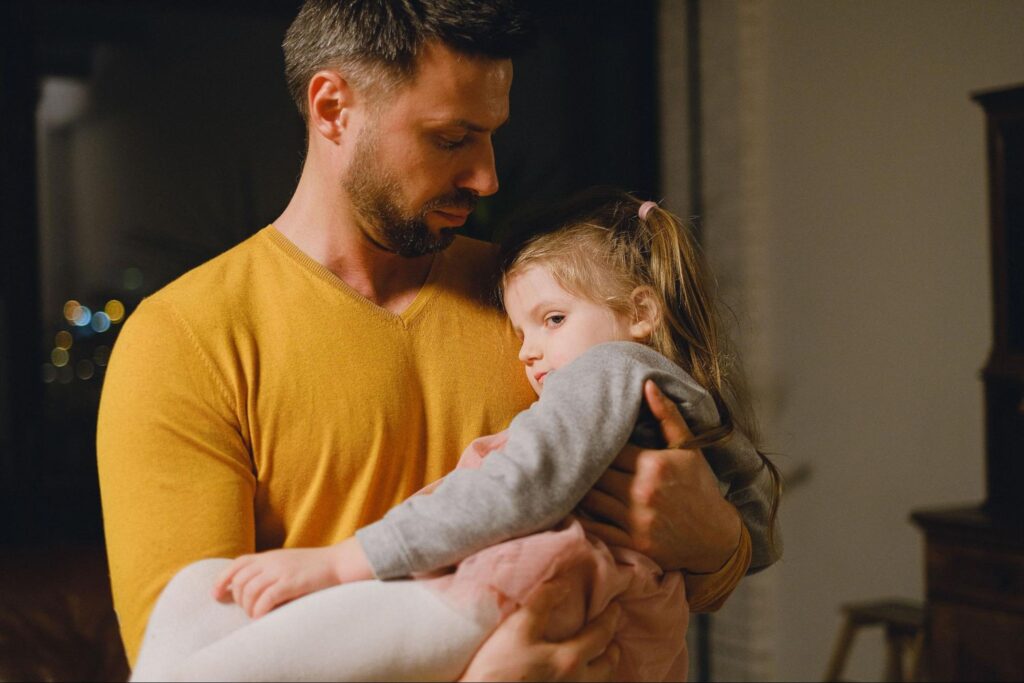
Every parent has watched their child worry. It might be over a spelling test, a first sleepover, or a school dance. Some worry is a normal part of growing up. It helps kids prepare, stay safe, and push through new challenges. But when the worry becomes constant, gets in the way of school or friendships, or keeps your child from doing things they used to enjoy, it may be something more.
Childhood anxiety disorders are some of the most common mental health concerns young people face. The CDC estimates that about 11% of children ages 3 to 17 have been diagnosed with anxiety. The National Institute of Mental Health estimates that nearly one in three adolescents will experience an anxiety disorder at some point. The good news is that anxiety is also one of the most treatable conditions, especially when it’s caught early.
This guide is written for parents. It covers the signs of anxiety in children and teens, what causes it, how to help an anxious child at home, and when to seek professional support.
What Is Childhood Anxiety, and When Does It Become a Disorder?
Anxiety is the body’s natural response to stress or perceived danger. It’s the racing heart before a big game or the knot in the stomach on the first day of school. In small doses, anxiety is healthy. It signals that something matters and helps kids rise to the occasion.
Anxiety becomes a disorder when the fear or worry is out of proportion to the situation, lasts for weeks or months, and interferes with daily life. A child who feels nervous before a class presentation is experiencing typical anxiety. A child who stays home for a week to avoid the presentation, can’t sleep, and has stomachaches every morning may be dealing with an anxiety disorder.
A helpful way to think about it: normal worry comes and goes with specific events. Problematic anxiety sticks around and starts shaping your child’s choices, like what they avoid, who they spend time with, and whether they’re willing to try new things.
When Should Parents Seek Professional Support?
Knowing when to seek help for child anxiety isn’t always easy. Many parents wonder whether they’re overreacting or hope their child will grow out of it. Consider reaching out to a mental health professional if you notice any of the following:
- The anxiety has lasted several weeks or keeps getting worse
- Your child is avoiding school, activities, or friends because of fear or worry
- Physical complaints like headaches or stomachaches keep coming up with no medical cause
- Sleep, appetite, or grades have changed noticeably
- Your child seems stuck in worry and can’t be reassured
- Anxiety is causing frequent meltdowns, anger, or conflict at home
- Your child talks about feeling hopeless or shows signs of depression
You don’t need to wait for a crisis. Getting support early can keep anxiety from becoming a long-term pattern, and it gives your child tools they’ll use for the rest of their life.
Not sure whether what you’re seeing is typical worry or something more? Schedule a consultation with Aspen Counseling Services
How a Counselor Evaluates Anxiety
When you bring your child to a counselor, the first appointment is usually a conversation, not a test. The counselor will want to understand the full picture. That often includes:
- Talking with you as the parent about what you’ve noticed, when it started, and how it affects home and school life
- Talking with your child in an age-appropriate way, which may include play or drawing for younger kids
- Reviewing history, such as recent life changes, family mental health history, and medical concerns
- Using questionnaires or rating scales that help measure the type and severity of anxiety
- Gathering input from school, with your permission, when anxiety shows up in the classroom
The goal is to understand what your child is experiencing, rule out other explanations, and build a plan that fits your child and family. If a medical cause or medication evaluation seems worthwhile, a counselor can recommend coordinating with your pediatrician or another provider.
Treatment May Include Several Approaches
There’s no single approach that works for every child, and treatment is usually tailored to your child’s age, needs, and the type of anxiety involved. Common approaches include:
- Cognitive behavioral therapy (CBT): One of the most researched treatments for childhood anxiety. CBT helps kids recognize anxious thoughts, challenge them, and build healthier ways of responding.
- Exposure therapy: Often part of CBT, this approach helps children face fears gradually and safely so the fear loses its power over time.
- Parent involvement and coaching: Parents play a big role. Many treatment plans include sessions that help parents learn how to respond to anxiety in ways that build confidence instead of accidentally reinforcing avoidance.
- Family therapy: Helpful when anxiety is affecting the whole household or when family stress is part of the picture.
- Medication: For some children with moderate to severe anxiety, a physician may recommend medication alongside therapy. This decision is made with a prescribing provider.
Signs of Anxiety in Children and Teens
Anxiety doesn’t always look like nervousness. In kids, it often shows up in the body or in behavior before a child can put it into words. Common childhood anxiety symptoms include:
Physical signs
- Frequent stomachaches, headaches, or nausea
- Trouble falling or staying asleep, or nightmares
- Fatigue or restlessness
- Changes in appetite
Emotional signs
- Excessive worry about everyday things
- Irritability, anger, or frequent crying
- Needing constant reassurance
- Fear of making mistakes or perfectionism
Behavioral signs
- Avoiding school, social events, or activities
- Clinging to parents or refusing to be apart from them
- Meltdowns or tantrums when facing a feared situation
- Trouble concentrating or a drop in grades

How Anxiety Symptoms Differ Between Children and Teens
Younger children often don’t have the words to explain what they’re feeling. Their anxiety tends to show up physically and behaviorally. They may complain of tummy aches before school, have tantrums at bedtime, cling to a parent at drop-off, or refuse to sleep alone. Their fears often center on separation, the dark, monsters, or something bad happening to a parent.
Anxiety in teens can look quite different. Teens are more likely to worry about social acceptance, academic performance, their appearance, and the future. They may hide their anxiety, so it can come out as irritability, withdrawal, or moodiness that’s easy to mistake for typical teenage behavior. Watch for a teen who suddenly drops activities, spends more time alone in their room, avoids friends, procrastinates heavily out of fear of failure, or seems overwhelmed by school.
Teens with anxiety are also at higher risk for depression, and the two often overlap. If your teen seems persistently sad, hopeless, or disinterested in things they once loved, it’s worth talking to a professional about how to deal with anxiety and depression together.
Common Types of Anxiety Disorders in Children and Teens
- Generalized anxiety disorder (GAD): Ongoing, hard-to-control worry about many things, such as school, health, family, or world events.
- Separation anxiety disorder: Intense fear of being apart from a parent or caregiver, more common in younger children.
- Social anxiety disorder: Strong fear of being judged, embarrassed, or rejected in social situations. It often shows up in the teen years.
- Specific phobias: Intense fear of a particular thing or situation, like dogs, storms, needles, or the dark.
- Panic disorder: Repeated, unexpected panic attacks and worry about having more. It’s more common in teens than young children.
- Selective mutism: Consistently not speaking in certain settings, like school, despite speaking comfortably at home.
Anxiety Can Affect the Whole Family
When a child struggles with anxiety, the whole household feels it. Mornings may become a daily battle over school. Family plans may change to avoid triggering situations. Siblings may feel overlooked, and parents often feel exhausted, guilty, or unsure whether they’re helping or making things worse.
These feelings are normal. Many parents naturally try to protect their child by helping them avoid what scares them. That instinct comes from love, but avoidance can make anxiety grow over time. Getting support for your child, and for yourself as a parent, can ease the strain on everyone and help the family find a healthier rhythm.
Parenting an anxious child is hard, and you don’t have to figure it out alone. Call now to schedule an appointment.
What Causes Anxiety in Children and Teens?
There’s rarely one single cause. Anxiety usually develops from a combination of factors:
- Genetics: Anxiety tends to run in families. A child with a parent who has anxiety is more likely to develop it.
- Temperament: Some children are naturally more cautious, sensitive, or shy, which can make them more prone to anxiety.
- Brain chemistry: Differences in how the brain processes fear and stress play a role.
- Stressful life events: Moves, divorce, a new sibling, the loss of a loved one, illness, or bullying can trigger or worsen anxiety.
- Learned behavior: Children pick up on how adults around them handle stress and fear.
- Environment: Ongoing family conflict, academic pressure, or an unpredictable home life can contribute.
Causes of Anxiety in Younger Children vs. Teens
For younger children, anxiety is often tied to separation, big changes in routine, or specific fears. Starting school, moving to a new home, or a change in family structure can be especially unsettling at this age because young kids rely heavily on predictability and closeness to caregivers.
For teens, the pressures shift. Academic expectations, college and career worries, friendships, dating, identity, and body image all come into play. Teens are also going through major brain development, particularly in areas that manage emotions and decision-making, which can make stress feel more intense. Add in less sleep, busier schedules, and a constant online connection, and it’s easy to see why anxiety in teens is so common.
The Role of Social Media in Teen Anxiety
Social media can help teens stay connected, but it also brings real risks for their mental health. The U.S. Surgeon General’s 2023 advisory on social media and youth mental health noted that teens who spend more than three hours a day on social media face double the risk of experiencing symptoms of depression and anxiety.

Several aspects of social media can feed anxiety:
- Constant comparison to curated, filtered versions of other people’s lives
- Fear of missing out (FOMO) when seeing friends at events without them
- Cyberbullying, which can follow teens home and continue around the clock
- Pressure for likes and approval, which ties self-worth to online reactions
- Lost sleep from late-night scrolling, which makes anxiety worse
Social media isn’t all bad, and banning it entirely often backfires. The goal is to help your teen build a healthier relationship with it, which we’ll cover below.
How to Help an Anxious Child or Teen
Professional support is valuable, but what happens at home matters just as much. Here are practical ways parents can help.
Talk to Your Child About Anxiety
Start by letting your child know that anxiety is common, that it’s not their fault, and that it can get better. Choose calm moments to talk, not the middle of a meltdown. For younger kids, simple language works best: “Sometimes our brain sends a worry alarm even when we’re safe.” For teens, low-pressure settings like car rides or walks often make conversations easier.
Listen more than you talk. Validate their feelings without confirming their fears. For example, “I can tell this feels really scary, and I believe you can handle it” acknowledges the emotion while expressing confidence. Try to avoid dismissing the worry (“There’s nothing to be afraid of”) or rushing to solve it for them.
Be a Positive Role Model
Kids learn how to handle stress by watching the adults in their lives. When you feel anxious, let your child see you cope in healthy ways. You might say, “I’m feeling nervous about my meeting, so I’m going to take a few deep breaths and go for a walk.” Showing that adults feel anxiety too, and can manage it, is powerful. Taking care of your own mental health is one of the best things you can do for your child.
Practice Relaxation Techniques Together
Relaxation skills work best when they’re practiced during calm times, so they’re ready when anxiety hits. Try these together:
- Belly breathing: Breathe in slowly through the nose for four counts, and out through the mouth for four to six counts. Younger kids can pretend to smell a flower and blow out a candle.
- Progressive muscle relaxation: Tense and then release muscle groups, one at a time, from toes to head.
- Grounding: Name five things you can see, four you can touch, three you can hear, two you can smell, and one you can taste.
- Mindfulness or guided imagery: Short guided recordings or apps can help kids and teens learn to calm their minds.

Encourage Healthy Social Media Use
Rather than banning social media, work with your teen to set reasonable boundaries. Consider:
- Keeping phones out of bedrooms overnight to protect sleep
- Setting screen-free times, like during meals
- Talking openly about how certain accounts or apps make them feel
- Encouraging them to unfollow accounts that trigger comparison or stress
- Modeling healthy habits with your own device use
Build Your Child’s Self-Esteem
Confidence is a natural buffer against anxiety. Praise effort, not just results, so your child learns that trying hard matters more than being perfect. Give them chances to solve problems on their own and to succeed at things they care about, whether that’s sports, art, music, or helping others.
It also helps to gently encourage your child to face small fears instead of avoiding them. Each time they do something that scares them, even something small, they learn that they’re more capable than their anxiety tells them.
How to Help a Child Having a Panic Attack
A panic attack can be frightening for both the child and the parent. Symptoms may include a racing heart, shortness of breath, dizziness, shaking, sweating, or a feeling that something terrible is about to happen. Here’s how to help:
- Stay calm yourself. Your calm presence helps your child’s nervous system settle.
- Reassure them. Remind them that panic attacks feel awful but aren’t dangerous and will pass, usually within minutes.
- Guide their breathing. Breathe slowly alongside them so they can follow your rhythm.
- Use grounding. Help them focus on their surroundings with the 5-4-3-2-1 technique.
- Keep instructions simple. Short, gentle phrases work better than lots of questions.
- Talk afterward. Once they’re calm, talk about what happened and what helped.
If this is your child’s first panic attack or you’re unsure of the cause, check in with your pediatrician to rule out a medical issue. Recurring panic attacks are a sign it’s time to reach out to a counselor.
What to Expect When You Reach Out to Aspen Counseling Services
Taking the first step can feel intimidating, so here’s what the process looks like at Aspen Counseling Services.
Reaching out. You can call or text any time to share a little about what your child is going through. Our team will help match your family with a counselor who has experience working with children and teens.
The first appointment. Your first session is focused on understanding your child and your family. Your counselor will talk with you and your child, learn about your concerns, and begin building a plan together. There’s no pressure, and your child can go at their own pace.
Ongoing support. Treatment is tailored to your child’s age and needs, and parents are included as partners in the process. You’ll learn practical tools to support your child at home, and your counselor will check in on progress along the way.
Convenient locations. Aspen Counseling Services has offices in Sandy, Highland, and Provo, making it easier for Utah families to get support close to home. And telehealth availability so you can get help directly from your home without the stress of going anywhere.
Ready to help your child feel more confident and in control? Call and schedule an appointment with Aspen Counseling Services today.
Hotlines and Support
If your child is in crisis, help is available right now. If your child is in immediate danger, call 911.
- 988 Suicide & Crisis Lifeline: Call or text 988, available 24/7, for anyone experiencing emotional distress or a mental health crisis.
- Crisis Text Line: Text HOME to 741741 to connect with a trained crisis counselor, 24/7.
- SafeUT app: A free Utah crisis chat and tip line for students, parents, and educators, available 24/7.
- NAMI HelpLine: Call 1-800-950-6264 for information, resources, and support for families affected by mental health conditions.
Anxiety can feel overwhelming, but children and teens can and get better with the right support. By learning the signs, responding with patience, and reaching out for help when it’s needed, you’re giving your child the tools to face their fears and thrive.