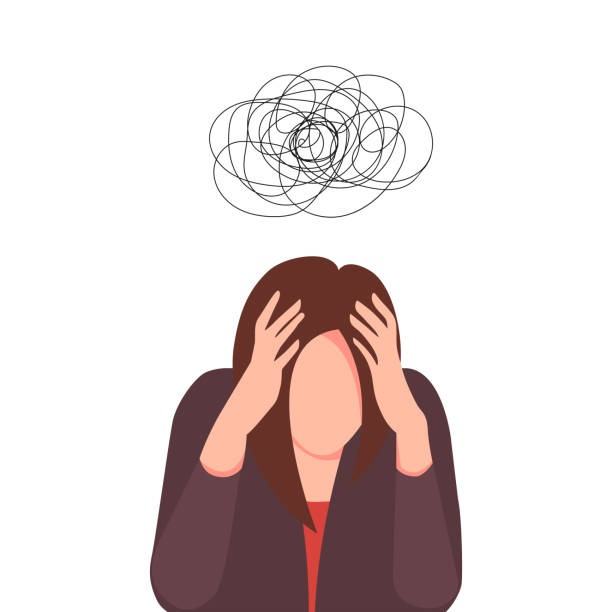
Between classes, work, relationships, and maintaining a social life, you might feel pulled in a dozen different directions. Many young women in Utah face a quiet, persistent pressure to keep everything looking perfectly put together on the outside, even when things feel chaotic inside. You might find yourself smiling through your shift at work or chatting with friends after class, all while quietly wondering how much longer you can keep up the balancing act.
If you have been feeling overwhelmed, physically exhausted, or constantly on edge, you might be asking yourself how to tell if you have anxiety or burnout. You might also be wondering if what you are experiencing is simply normal everyday stress.
Stress, burnout, and anxiety are closely related, but they are not the same thing. People often search for the signs of burnout vs anxiety or try to make sense of their mental exhaustion symptoms. Reading clinical definitions online usually just causes more confusion.
Getting clear on exactly what you are dealing with is a necessary step toward feeling better. If you are ready to learn more about how therapy can help, reaching out for the stress management therapy Utah providers offer is a great place to begin. Taking that first step can help you sort through what is going on and give you a clear direction forward. Visit our Contact us page to get connected.
Why Young Women in Utah Feel So Much Pressure
Before defining the clinical differences, look at your current lifestyle. Your environment plays a massive role in how your nervous system responds to the world.
Women in their late teens and early twenties are going through a highly demanding stage of life. You are likely balancing college classes, major career decisions, finances, changing friendships, and dating. In Utah specifically, there are strong cultural expectations tied to relationship timelines, academic success, and what your life is supposed to look like by a certain age.
The culture of comparison creates an impossible standard. Measuring your daily life against the polished images you see online keeps your stress levels artificially high.
That cultural background noise makes it feel like you always need to be doing more and achieving more. Over time, that heavy expectation builds up in your body. It usually shows up as acute stress at first. If left unchecked, it slowly turns into deeper, stubborn mental exhaustion symptoms.
If you find yourself lying awake wondering how to tell if you have anxiety or burnout, remember your environment plays a role. You are having a normal reaction to an abnormal amount of pressure. Seeking out stress management therapy Utah professionals provide can help you step back, reset your nervous system, and build healthier patterns. Learn more about how therapy can help by exploring our website.
What Is Stress?
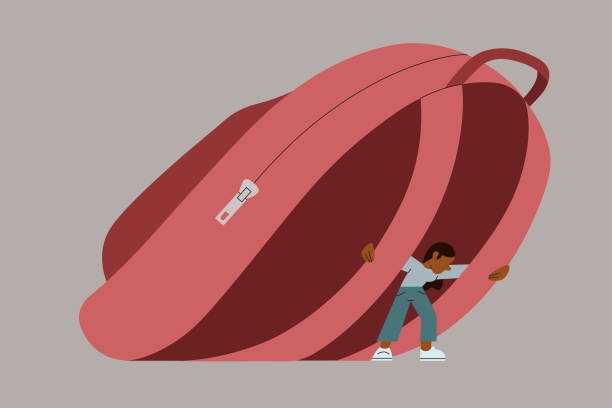
Stress is your body’s natural physiological response to a perceived challenge or threat. As highlighted in psychological research regarding how stress and burnout affect the body, this response usually flares up when something specific in your life requires extra attention, time, or physical effort.
You might feel a spike of stress during finals week, when dealing with a tough relationship conflict, or when trying to stretch your paycheck to cover rent. In short-term situations, stress can actually serve a helpful purpose. It releases adrenaline and cortisol to push you to focus and get difficult things done.
Common Signs of Stress
- Feeling rushed, pressured, or overwhelmed by a specific to-do list.
- Tight muscles, especially carrying tension in your shoulders, neck, or jaw.
- Trouble falling asleep because your mind is reviewing the day’s events.
- Irritability or having a shorter temper than usual with friends and family.
- Physical complaints like tension headaches or mild stomach issues.
Stress tends to be tied to a very specific trigger or event. Once that situation passes and the project is turned in or the bill is paid, your body is usually able to calm down and return to a baseline state of relaxation.
The real challenge comes when that stress does not let up. When your mind and body stay in that heightened fight-or-flight state for weeks or months, it begins to wear down your physical health. This prolonged state is often when early mental exhaustion symptoms surface.
If your daily stress feels inescapable, learn more about how therapy can help by visiting our Services page on our website. Finding effective stress management therapy Utah professionals offer can help you build practical, everyday tools to reduce that constant internal pressure.
What Is Burnout?
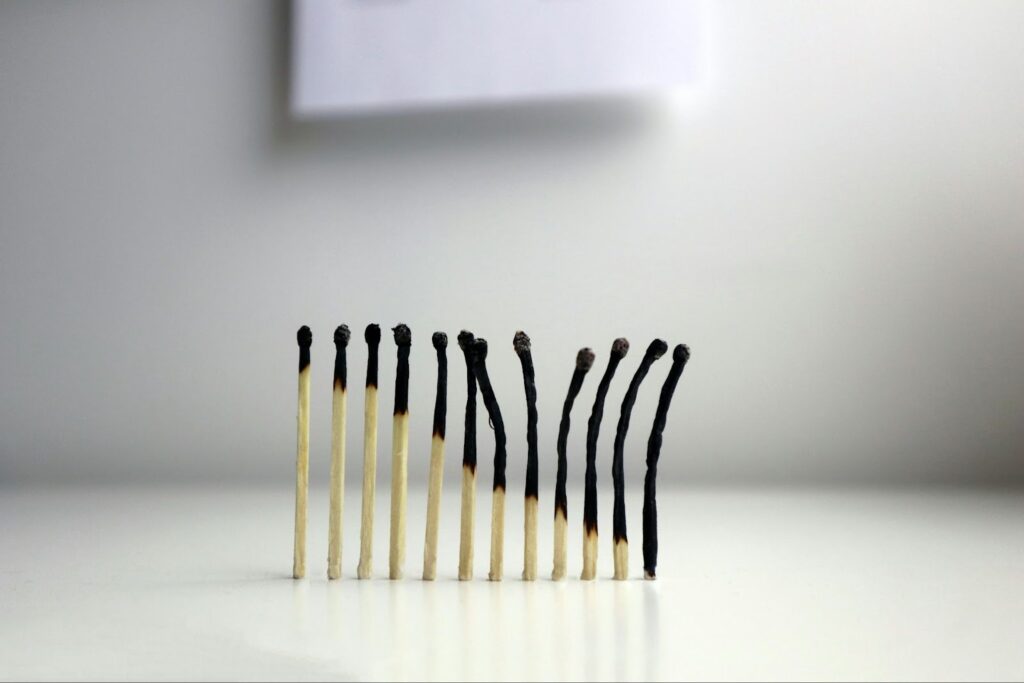
Burnout is what happens when high levels of stress build up over a long period of time and never actually resolve. According to research on adult health, burnout leaves you feeling entirely drained instead of motivated or alert to tackle a problem.
Burnout goes beyond end-of-week fatigue. It is a profound exhaustion that affects how you think, how you feel, and how you function in your daily routines. At this stage, mental exhaustion symptoms cannot be fixed with an extra cup of coffee.
Mental Exhaustion Symptoms and Signs of Burnout
- Feeling emotionally drained, flat, or completely numb to the world around you.
- Losing motivation for your classes, your job, and the hobbies you used to enjoy.
- Struggling to focus on basic tasks, read a single page, or think clearly.
- Feeling bone-tired all the time, even after sleeping for nine solid hours.
- Feeling deeply disconnected, cynical, or detached from your own life and future goals.
When people try to understand the signs of burnout vs anxiety, burnout is primarily characterized by this heavy sense of depletion. The tank is completely empty.
Burnout does not magically disappear with one good night of sleep. Recovering from it usually requires making significant life changes, like setting strict boundaries at work or entirely rethinking how you spend your limited energy. Learn more about how therapy can help you rebuild your energy reserves on our Services page.
What Is Anxiety?

Anxiety feels different from standard stress and burnout. It focuses less on current problems and more on what might happen next week, next month, or next year.
Clinical definitions describe generalized anxiety as excessive worry occurring on most days [3]. You might find your mind frantically jumping from one worst-case scenario to another, even when you have no immediate problems to solve. It can feel like your brain has a motor that will not switch off.
If you are trying to figure out how to tell if you have anxiety or burnout, remember that anxiety usually feels highly active, electric, and restless.
Common Signs of Anxiety
- Constant, intrusive worry that feels impossible to control or turn off.
- Feeling perpetually on edge, jittery, or physically tense for no obvious reason.
- Racing thoughts that loop over and over.
- Intense physical symptoms like a rapidly beating heart, sweating, or shortness of breath.
- Actively avoiding social situations, classes, or tasks because they trigger an overwhelming sense of panic.
When looking closely at the signs of burnout vs anxiety, anxiety involves overthinking and a state of hyper-alertness. Your body thinks it is in danger. Burnout, conversely, feels like a system shutdown.
Anxiety can make small situations feel like life-or-death emergencies. If it is starting to dictate your daily choices, learn more about how therapy can help calm your racing thoughts by visiting our [Anxiety support page].
Signs of Burnout vs Anxiety: How to Tell the Difference
Feeling unsure about what exactly you are experiencing is common. Many young women actually deal with a complicated mix of stress, burnout, and anxiety all at the exact same time. Still, identifying the core issue is helpful.
- Energy Levels: With anxiety, your mind typically feels busy, loud, and active. With burnout, your physical and mental energy feels completely depleted. You feel heavy and unmotivated.
- Emotional Experience: Anxiety often manifests as intense fear, dread, or worry. Burnout usually feels like a thick blanket of numbness. You may stop caring about things that used to be important to you.
- Physical Experience: Anxiety shows up as tightly wound tension, a racing heart, and a desperate sense of urgency. Burnout shows up as heavy fatigue, body aches, and a thick brain fog.
If you are still wondering how to tell if you have anxiety or burnout, you are not alone in that confusion. Talking through your specific symptoms with a professional can bring relief. Learning these signs of burnout vs anxiety is a great start. The stress management therapy Utah professionals provide is designed to help you untangle these complex feelings so you can move forward.
Simple Ways to Support Yourself Right Now

If you recognize your own life in these mental exhaustion symptoms, there are practical things you can do today.
Pay Close Attention to Your Energy Take an honest look at your calendar. Notice the people and tasks that drain you, and the few things that actually help you recharge. If your week is built around draining activities, make small shifts to protect yourself.
Practice Setting Firm Boundaries It is okay to say no to people. Protecting your time is not selfish; it is a basic requirement for your physical and mental health.
Make Actual Space for Real Rest Mindlessly scrolling on your phone does not help your nervous system reset. Try activities that force you to unplug, like going for a quiet walk or sitting outside. Let go of the guilt associated with being unproductive.
Talk to a Professional If you feel entirely stuck trying to figure out how to tell if you have anxiety or burnout, reaching out is a smart choice. Learn more about how therapy can help by scheduling a session. Effective stress management therapy Utah services provide personalized tools that fit your lifestyle. Visit our website page to begin.
Frequently Asked Questions
Can you have stress, anxiety, and burnout at the same time? Yes. Prolonged, unmanaged stress often triggers anxiety. If that combination continues, it will eventually drain your reserves and result in severe burnout and mental exhaustion symptoms.
What is the fastest way to recover from burnout? There is no overnight cure. Recovery requires actively reducing daily stress, enforcing strict boundaries, and resting deeply. Addressing mental exhaustion symptoms early prevents a total physical collapse.
How do I know if I am burned out? If you consistently wake up exhausted, lack motivation, and feel emotional detachment from your life, you are likely experiencing burnout. These are classic signs of burnout vs anxiety.
How to tell if you have anxiety or burnout? If your mind is racing and filled with worry, that leans toward anxiety. If you feel like a heavy weight is holding you down and you are too tired to care, that points to burnout. Learning the signs of burnout vs anxiety takes time, and talking to a therapist can give you absolute clarity.
Finding Support That Fits Your Life
Young adulthood brings heavy pressure. It is normal to feel overwhelmed, but you do not have to grit your teeth and deal with it entirely on your own.
Whether you are trying to understand the signs of burnout vs anxiety, struggling to function through daily mental exhaustion symptoms, or just need a safe place to vent, professional support can help.
If you are ready to start feeling more like yourself again, learn more about how therapy can help by visiting our website at Aspen Counseling Services. You can also explore specific resources on our Anxiety webpage or head directly to our Start Here page to take the first step toward getting help.
Aspen Counseling Services offers the kind of stress management therapy Utah clients trust. Their team understands the unique challenges young women face and provides support that fits your schedule and meets your specific healing needs.
References & Further Reading
[1] American Psychological Association (APA) Source Link: https://www.apa.org/monitor/2022/01/special-burnout-stress Quote/Context: Research detailing how physiological responses to stress and burnout affect the body over time.
[2] Mayo Clinic Source Link: https://www.mayoclinic.org/healthy-lifestyle/adult-health/in-depth/burnout/art-20046642 Quote/Context: Adult health guidelines on how burnout manifests as a state of physical or emotional exhaustion that also involves a sense of reduced accomplishment and loss of personal identity.
[3] National Institute of Mental Health (NIMH) Source Link: https://www.nimh.nih.gov/health/publications/generalized-anxiety-disorder-gad Quote/Context: Defines Generalized Anxiety Disorder (GAD) as involving persistent and excessive worry that interferes with daily activities, occurring on most days.